ISO 27001
Certified

Precision Indoor Residual Spraying (PIRS) IoT System

IK Sprayers
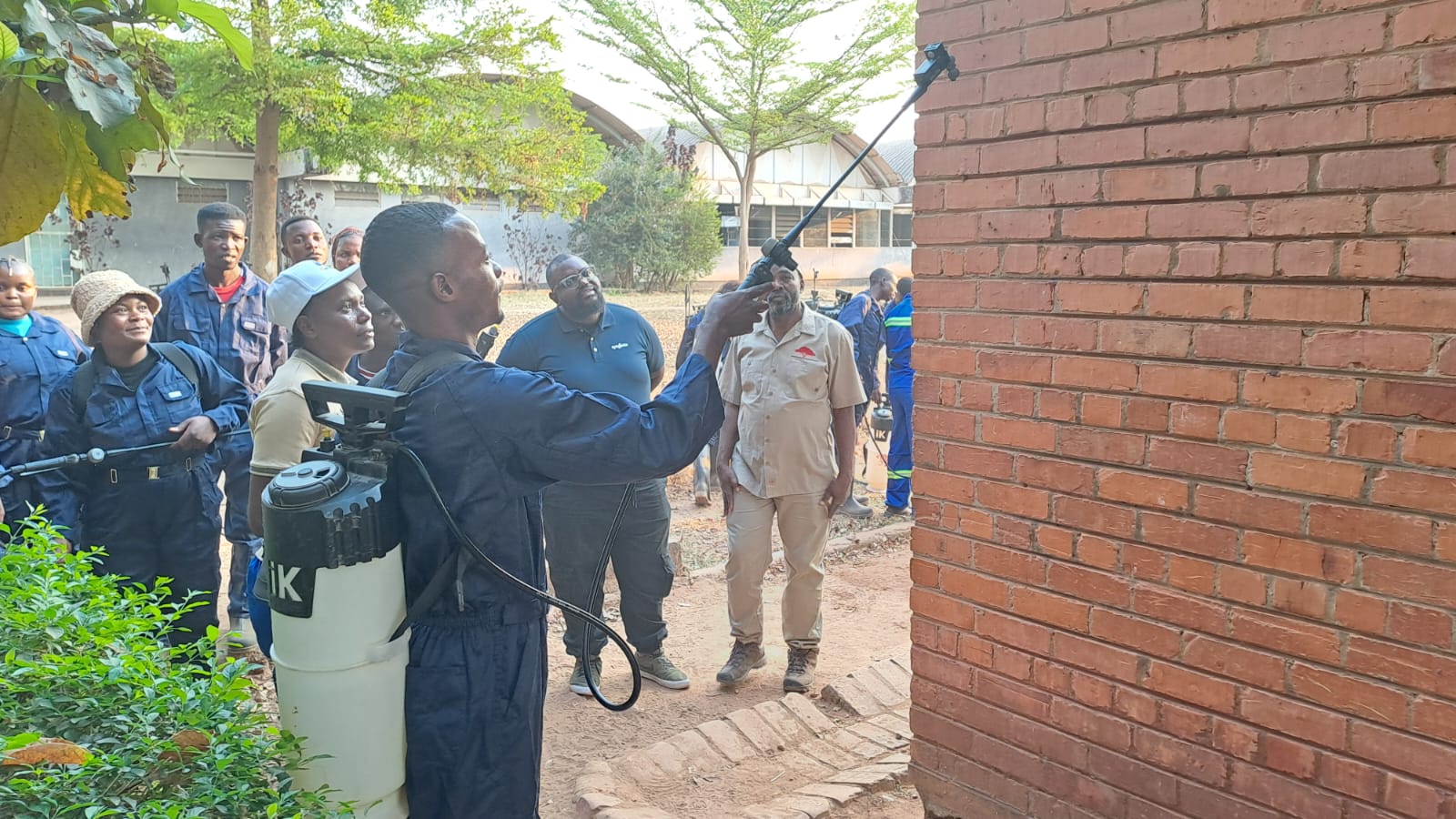
The success of Malaria prevention through IRS depends entirely on the technical precision of the operator. If the insecticide is applied too quickly or from an incorrect distance, the concentration is insufficient to kill mosquitoes, rendering the treatment ineffective.
Supervisors have no way of knowing if a house was sprayed correctly until weeks later.
Inefficient application leads to the over-consumption of expensive chemicals or, worse, the need for re-spraying.
Identifying which field workers need additional training is impossible without objective performance data.
An Intelligent Edge-to-Cloud IRS Ecosystem Biotz developed a three-tiered IoT architecture that transforms a manual sprayer into a precision instrument capable of real-time correction.
1. The Edge: Intelligent Hardware
We equipped the spray nozzle with ultrasonic/TOF sensors and accelerometers to measure distance sweep speed.
2. The Gateway: Mobile integration
A dedicated mobile application connects to the hardware via Bluetooth Low Energy (BLE).
3. The Analytics: Web Dashboard
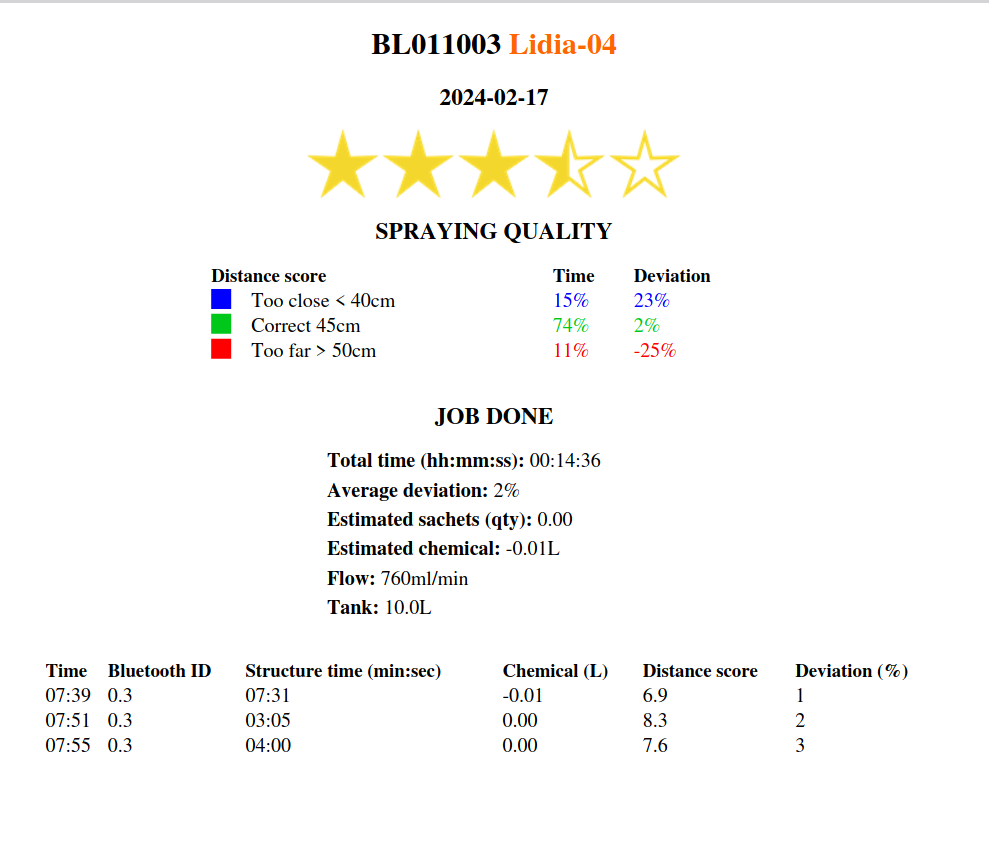
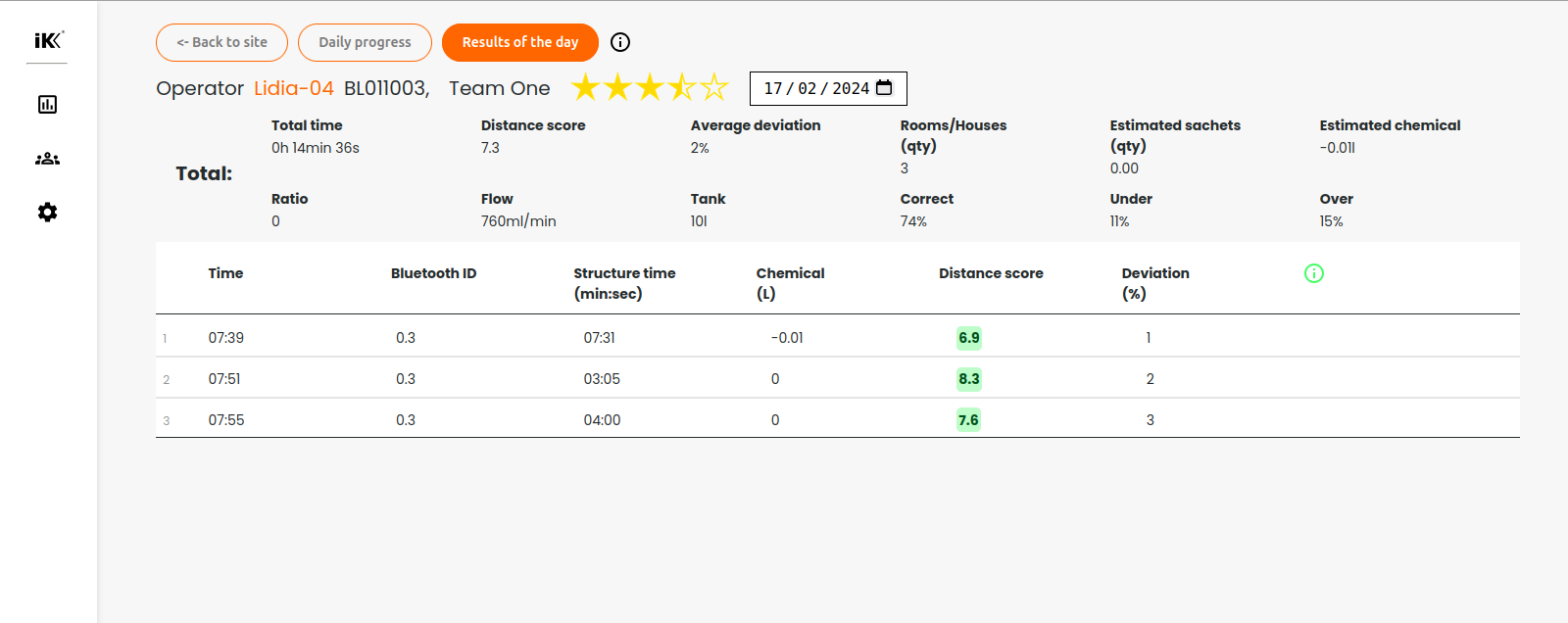
The collected telemetry is processed into a high-level dashboard for supervisors.
From Reactive Monitoring to Proactive Prevention
By moving intelligence to the "Edge," Biotz elevated the standard for vector control operations guided by four key objectives:
We design and deliver intelligent, tailored software that helps your company operate smarter, move faster, and grow with confidence.